The numbers are hard to argue with.
An estimated 52 million U.S. adults struggle with loneliness. The American Psychiatric Association found that in early 2024, 30% of American adults experienced loneliness at least once a week, with 10% reporting they were lonely every single day.
We have more ways to connect than ever before. More apps. More platforms. More notifications. And somehow, more loneliness.
So what’s the actual fix?
What does research say about how to solve loneliness?
The research is pretty consistent: people need shared physical space, shared activity, and a reason to show up at the same time. Not more screens. Not another group chat. Real proximity. Real play.
The U.S. Census Bureau found that about 2 in 5 Americans dealt with loneliness in 2024 – and that loneliness is directly linked to conditions including cardiovascular disease, stroke, dementia, anxiety, and depression. This isn’t a feelings problem. It’s a public health crisis.
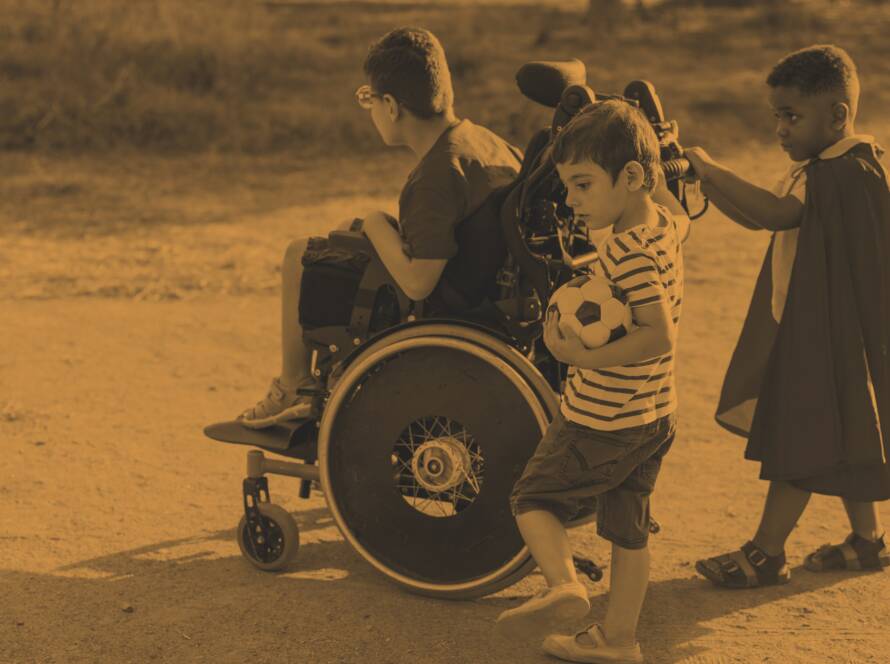
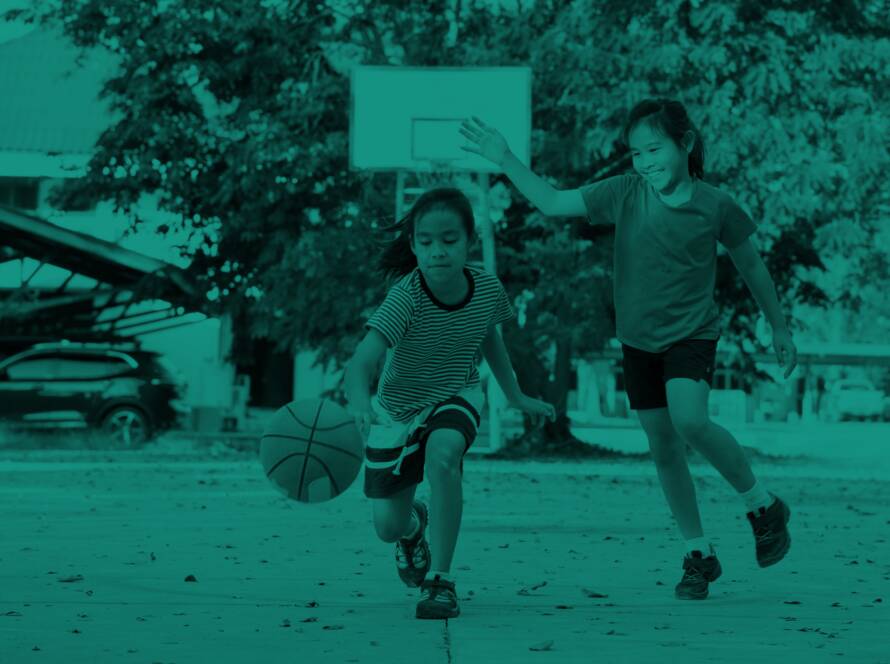
But here’s what doesn’t make the headlines: belonging doesn’t require a program, a budget, or a 12-week curriculum. It starts with something much simpler. A ball hits the ground. Someone kicks it. Someone else joins. A game begins. And for a few minutes – or a few hours – people who didn’t know each other are in it together.
Why does sport work when other interventions don’t?
Because it removes the awkwardness. You don’t have to introduce yourself. You don’t have to have the right words. You just play. The game does the social lifting.
Adults who continuously played organized sports through their youth show fewer symptoms of anxiety and depression than those who never played — a finding that held up in a 2024 study published in the Sociology of Sport Journal. And the effects aren’t just about being athletic. They’re about having a shared space, a shared practice, and people who show up alongside you.
That’s the infrastructure we’re building. Not programs. Not campaigns. Infrastructure.
What is One Ball for All doing about it?
We’re not waiting for the infrastructure to appear. We’re putting it in people’s hands.
Each One Ball for All ball is designed by a local artist, produced by the hundreds, and placed directly into communities that need it most. It’s a sticky catalyst for gathering that can be used over, and over, and over again – bringing neighborhoods back together.
When a ball exists in a space, games happen. When games happen, people connect. When people connect, the loneliness numbers move.
One ball. One community at a time. That’s the whole game.
Sources
- Gallup / U.S. loneliness estimate (52M adults, 2024): https://news.gallup.com/poll/651881/daily-loneliness-afflicts-one-five.aspx
- American Psychiatric Association — APA Healthy Minds Monthly Poll (30% lonely weekly, 2024): https://www.psychiatry.org/news-room/news-releases/new-apa-poll-one-in-three-americans-feels-lonely-e
- Northwell / U.S. Census Bureau — 2 in 5 Americans report loneliness, 2024: https://www.northwell.edu/news/the-latest/loneliness-rates-15-biggest-us-cities
- Ohio State University / Sociology of Sport Journal — Youth sports and adult mental health, 2024: https://news.osu.edu/playing-youth-sports-linked-to-better-mental-health-in-adults/