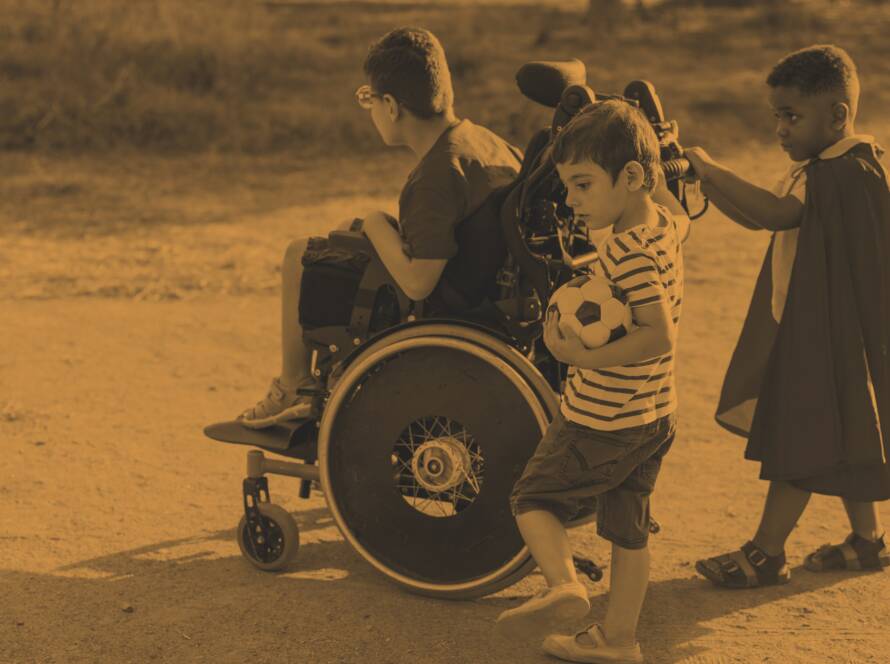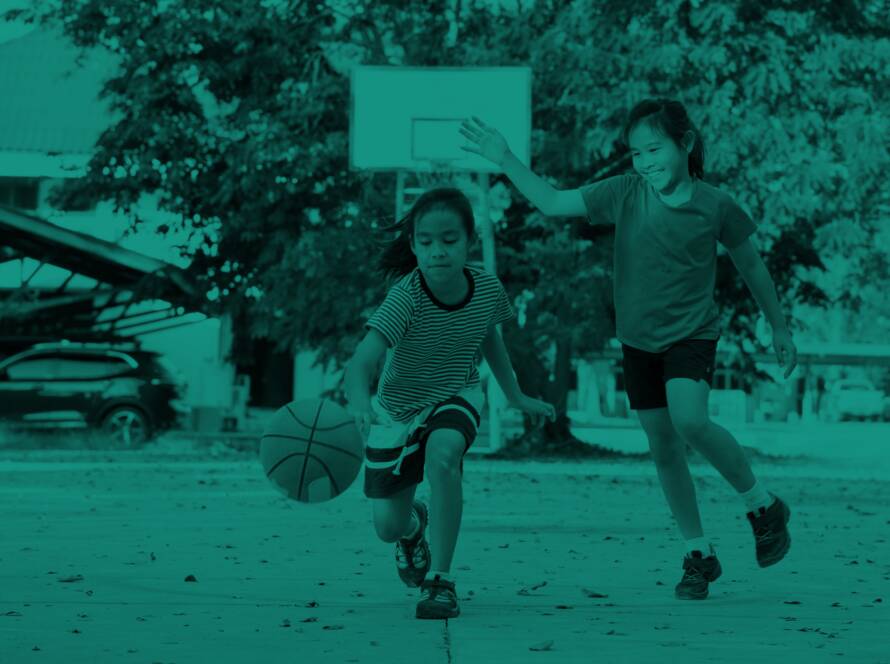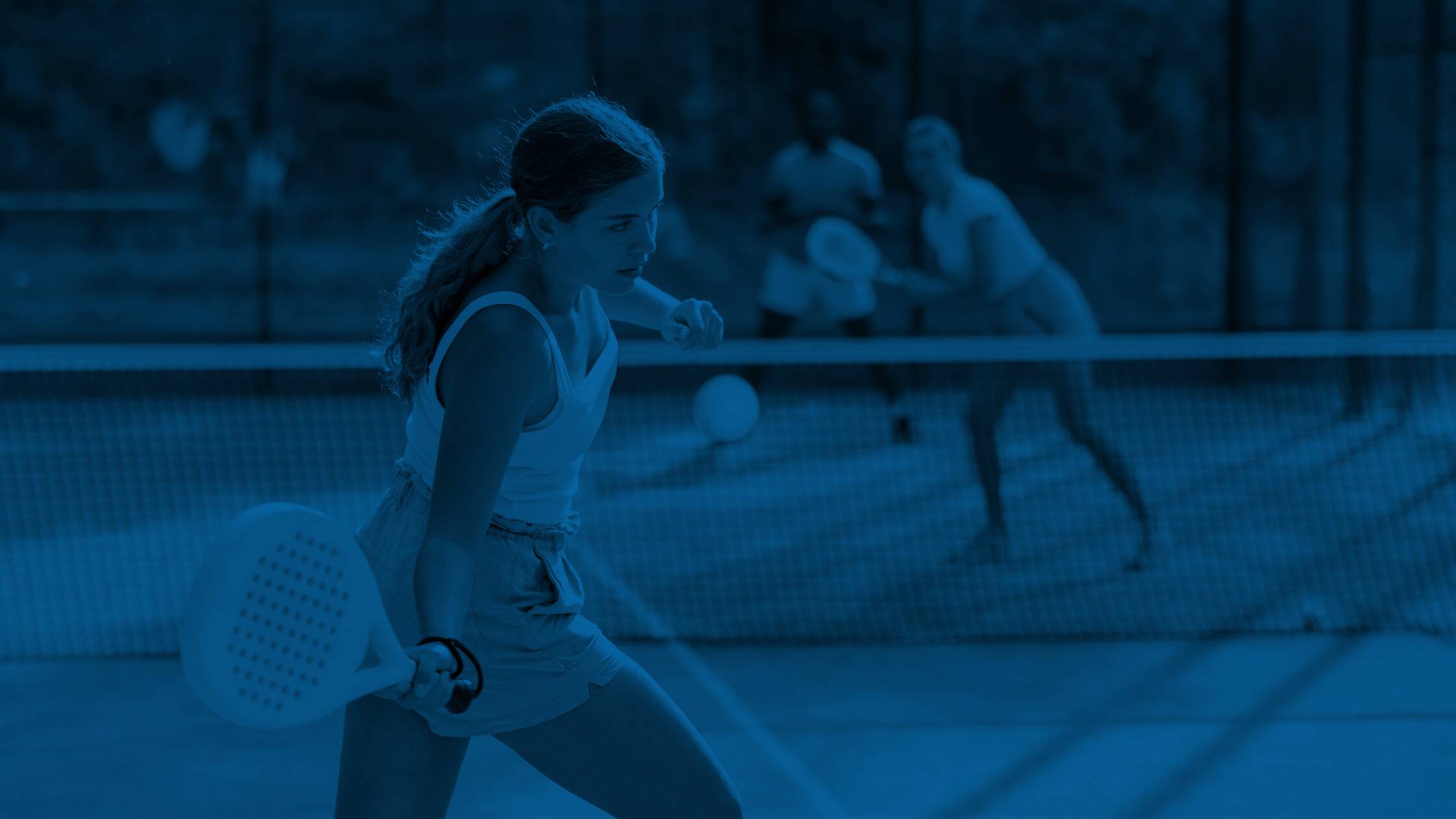
Picture this: a park. A ball. Someone kicks it. Someone else joins in. Five minutes later, six strangers are playing together and nobody’s checked their phone.
We’ve seen it happen everywhere One Ball for All goes. And it turns out there’s a lot of science explaining why.
How does sport improve mental health?
The research is stacking up fast. A 2024 study from Ohio State University published in the Sociology of Sport Journal found that adults who continuously played organized sports throughout their youth experience fewer symptoms of anxiety and depression than those who never played or who dropped out.
A 2024 systematic review synthesizing evidence from across multiple databases found that sport has a unique combination of physical, cognitive, and social opportunities that may confer psychological and social benefits beyond what other forms of physical activity provide.
It’s not just the exercise. It’s the belonging. Sport puts you in a space with other people, gives you a shared purpose, and asks you to trust each other — even for just the length of a game.
What does loneliness do to the body?
More than most people realize. Research links loneliness to heightened risks of cardiovascular disease, stroke, and dementia — with teenagers and adults in dense urban areas among the most affected populations.
The APA found that 30% of American adults experienced loneliness at least weekly in early 2024, with younger adults aged 18–34 especially likely to feel lonely every day or several times a week.
The body keeps the score on isolation. And sport is one of the oldest, most effective ways humans have ever pushed back against it.
Why does it matter where a ball lands?
Because access to sport is not evenly distributed. Youth sports costs have risen 46% since 2019, according to the Aspen Institute’s State of Play 2025 report, and the communities with the fewest resources are the ones being pushed out of the game.
One Ball for All exists to close that gap. Not with a program. Not with a fundraiser. With a ball — designed by a local artist, distributed by a trusted local non-profit, placed into the hands of the people who need it most.
What is One Ball for All?
We’re a movement built on four things: community, art, play, and impact. Each initiative places high-quality, artist-designed sports balls directly into under-resourced communities around the world — tied to the moments when sport matters most.
The ball is the beginning. Everything else — the belonging, the connection, the measurable mental and physical health benefits — follows from there.
Sources
- Ohio State University / Sociology of Sport Journal — Youth sports and adult mental health (2024): https://news.osu.edu/playing-youth-sports-linked-to-better-mental-health-in-adults/
- PMC / Springer Nature — Systematic review: sport’s unique psychological and social benefits (2024): https://pmc.ncbi.nlm.nih.gov/articles/PMC13064252/
- Northwell / U.S. Census Bureau — Loneliness linked to cardiovascular disease, stroke, dementia (2024): https://www.northwell.edu/news/the-latest/loneliness-rates-15-biggest-us-cities
- American Psychiatric Association — 30% of adults lonely weekly, 18–34 most affected (2024): https://www.psychiatry.org/news-room/news-releases/new-apa-poll-one-in-three-americans-feels-lonely-e
- Aspen Institute Project Play — State of Play 2025: youth sports costs up 46% since 2019: https://projectplay.org/state-of-play-2025/introduction