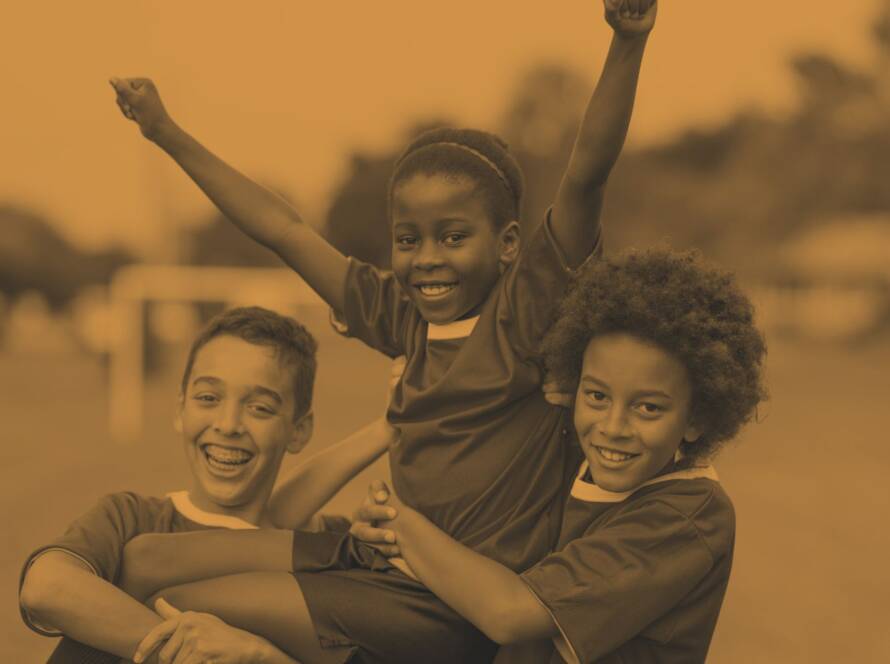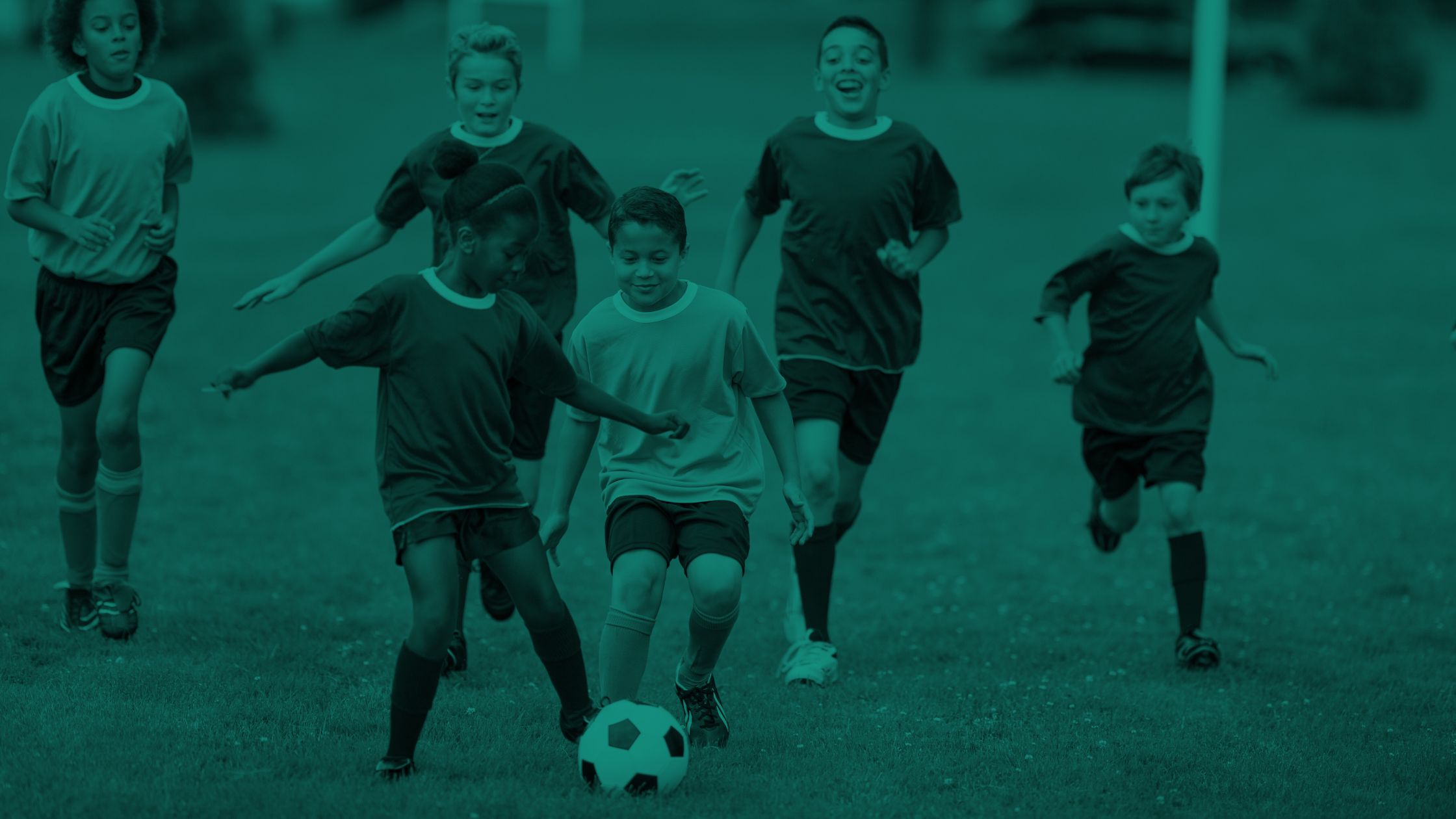
Play matters builds connection, confidence, and belonging – especially where access and opportunity are limited.
Play is often treated as optional, extra, or something to grow out of. In reality, play is one of the most powerful tools communities have to bring people together.
It’s how relationships form.
It’s how trust begins.
It’s how people – especially young people – learn they belong.
Is Play Really Essential?
Yes. Play is essential.
When people play together, barriers fall away. Age, background, language, and circumstance matter less. What matters is presence, participation, and shared experience.
Play creates:
- Connection between individuals (at every age!)
- Confidence through movement and expression
- Belonging through shared moments
These are not “nice to have” outcomes. They are foundational to healthy communities.
Why Is Play Especially Important for Kids?
For kids, play is more than fun – it’s formative.
Play helps young people:
- Build confidence in themselves
- Develop social skills and empathy
- Feel included without needing permission
- Experience joy that doesn’t depend on achievement
When access to play is limited, kids feel it. When play is present, they flourish. Protecting and prioritizing play is a community responsibility, not just a personal one.
How Does Play Bring People Together?
Play is one of the few things that invites people in without explanation.
You don’t need instructions.
You don’t need credentials.
You don’t need to speak the same language.
Play says: join us. Whether it happens in a park, a schoolyard, a street, or a shared space, play naturally gathers people and creates moments of connection that last longer than the activity itself.
What Happens When Play Is Missing?
When play disappears, something else disappears with it.
Communities become quieter.
Connections weaken.
Opportunities to belong shrink.
Without play, kids lose safe ways to express themselves, communities lose shared moments, and everyday joy becomes harder to access. Over time, the absence of play shows up as isolation, disconnection, and disengagement.
Play as a Foundation for Community
Play is not a distraction from real work—it is part of the work.
Strong communities are built on shared experiences, mutual trust, and moments that bring people together. Play creates all three, naturally and powerfully.
That’s why movements like One Ball for All start with play—not because it’s simple, but because it works.
The Bigger Picture
Play reminds us that community doesn’t have to be complicated.
Sometimes, it starts with movement.
Sometimes, it starts with one shared moment—and grows from there.
When communities make space for play, they make space for connection, belonging, and possibility.